



Popular Festivals for Hindu
Festivals for Hindus across the country. From North to South, East to West, every region has its own unique festival. All across the world Hindus celebrate these festivals with great enthusiasm and joy. Family gatherings, feasting, and celebrating the rich cultural heritage of India.
Browse All Festivals ↓Diwali or Deepavali
Festival of lights. Deepavali is the Sanskrit term. Diwali is a shortened version.
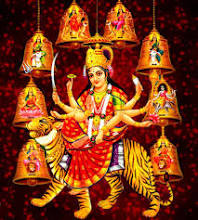
Navaratri
Navratri, meaning nine nights in Sanskrit, celebrating the divine feminine energy, particularly Goddess Durga, symbolizing the triumph of good over evil.


 Jan
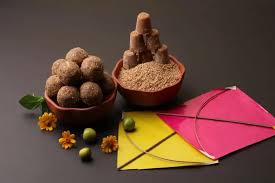
Makar Sankranti
Makar Sankranti is a significant Hindu festival that marks the transition of the sun into the zodiac sign of Capricorn (Makara). It usually falls on January 14th or 15th, depending on the solar calendar.
Surya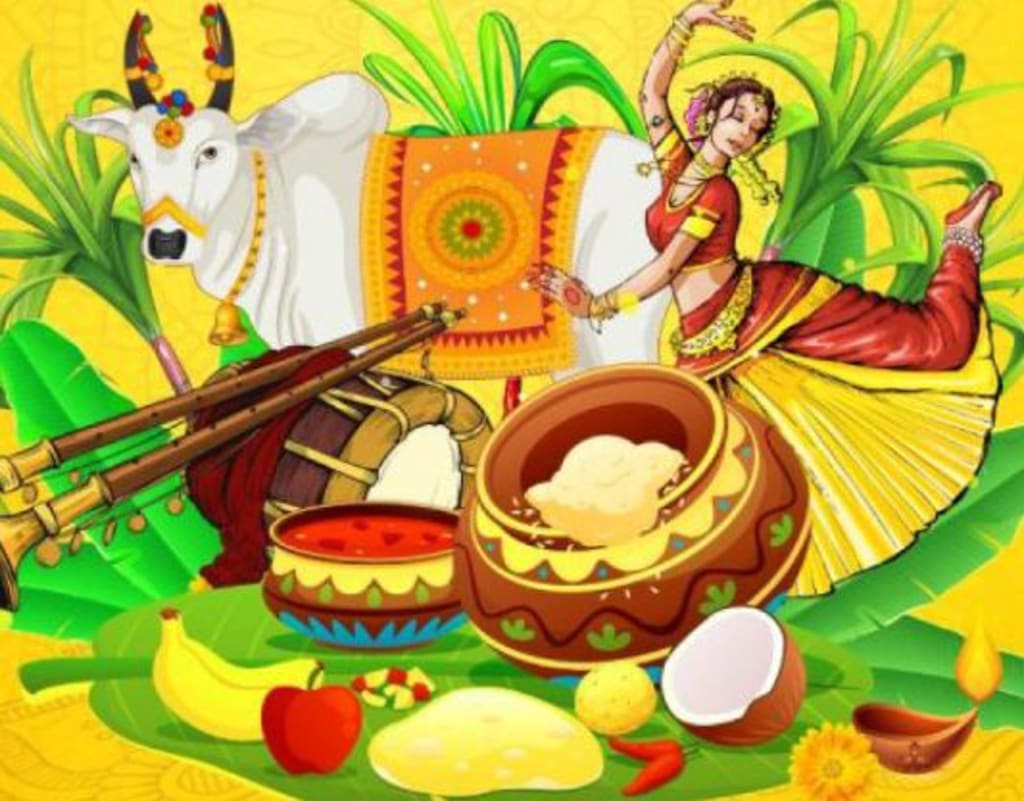 Jan
Pongal
The state of Tamil Nadu is the main location for the celebration of Pongal, a traditional harvest festival in South India. Thai Pongal, is observed on the first day of the Tamil month of Thai.
Surya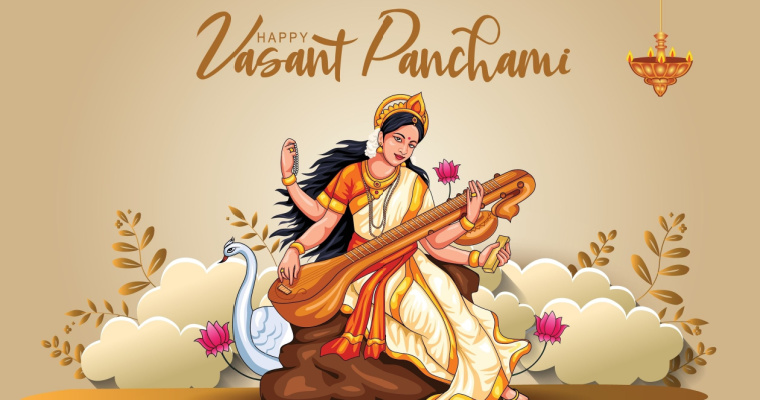 Feb
Vasant Panchami Saraswati Puja
A Hindu celebration called Vasant Panchami, also called Basant Panchami, heralds the start of spring. Late January or early February, The festival honours Saraswati, the goddess of learning, understanding, music, and the arts.
Saraswati Jan
Thaipusam
A Hindu festival celebrated by the Tamil community.
Murugan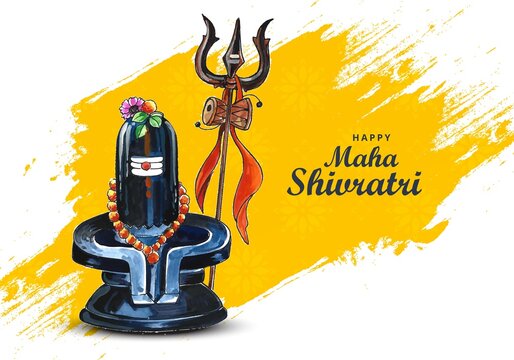 Mar
Maha Shivaratri
Also known as the Great Night of Shiva, as a day to honour Lord Shiva. Singing hymns, chanting mantras, and performing rituals are all part of the celebration. Shivaratri usually falls in February or March.
Shiva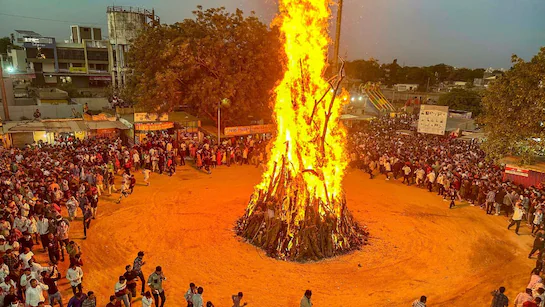 Mar
Holika Dahan
A ritual performed the night before Holi, symbolizing the victory of good over evil.
Vishnu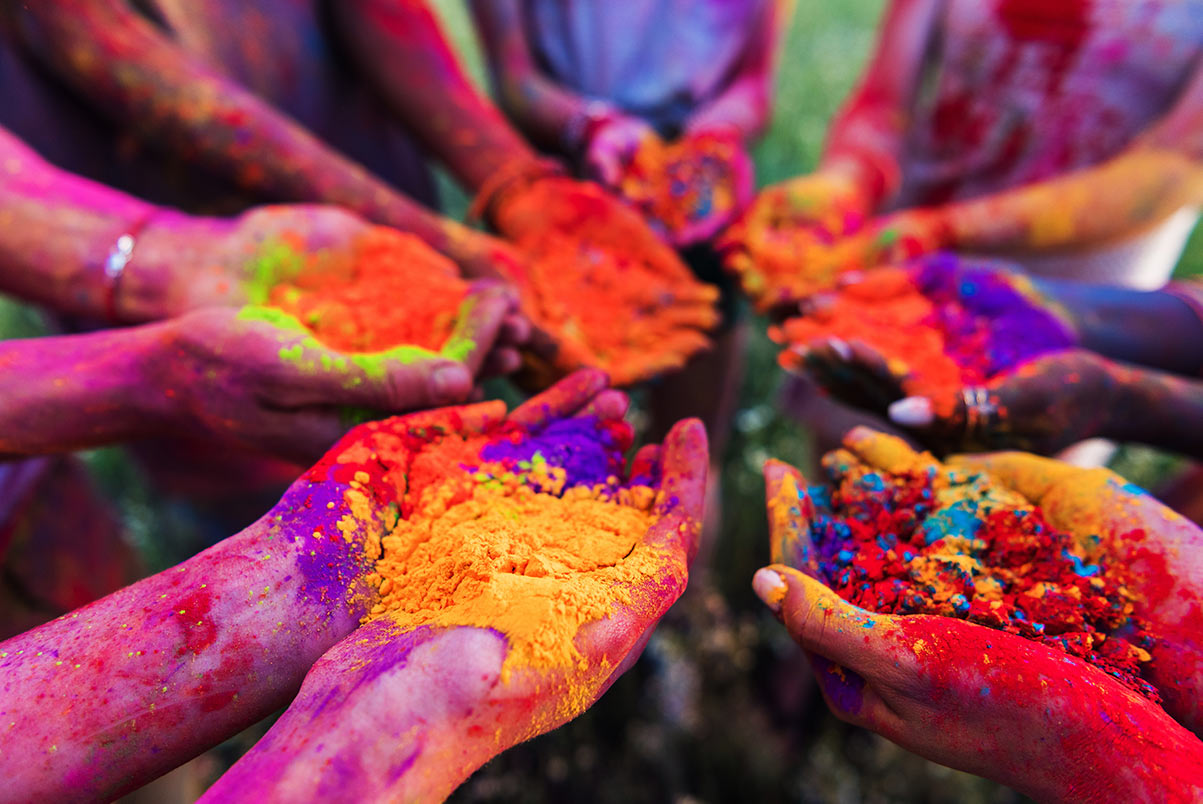 Mar
Holi
The Festival of Colours, also known as Holi, is one of India's most colourful and popular holidays. It heralds the approach of spring and is joyfully and enthusiastically observed. The Hindu lunar calendar determines the date of Holi, which typically occurs in March. Playing with colours is the most recognisable part of Holi. People congregate in open areas and engage in colour-related games, tossing coloured powder and water balloons at one another. It's a happy and jubilant festival that dismantles social barriers and spreads joy. Although the colourful celebrations are its most well-known feature, Holi is also observed in a variety of traditional ways throughout India. It includes procession dances, local traditions, and other things in some regions.
Krishna Apr
Hindi New Year
Celebration marking the beginning of the new year in the Hindi calendar.
 Apr
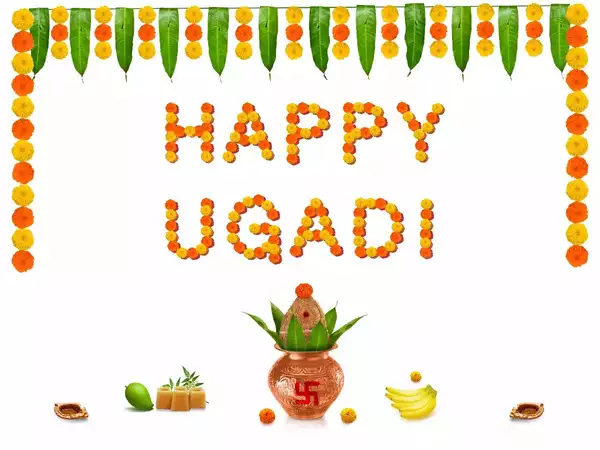
Telugu New Year or Ugadi or Gudi Padwa
States of Andhra Pradesh, Telangana, and Karnataka, Ugadi is celebrated as the start of the new year. The Chaitra month, which typically begins in March or April, is commemorated on this day as the beginning of the month.
Brahma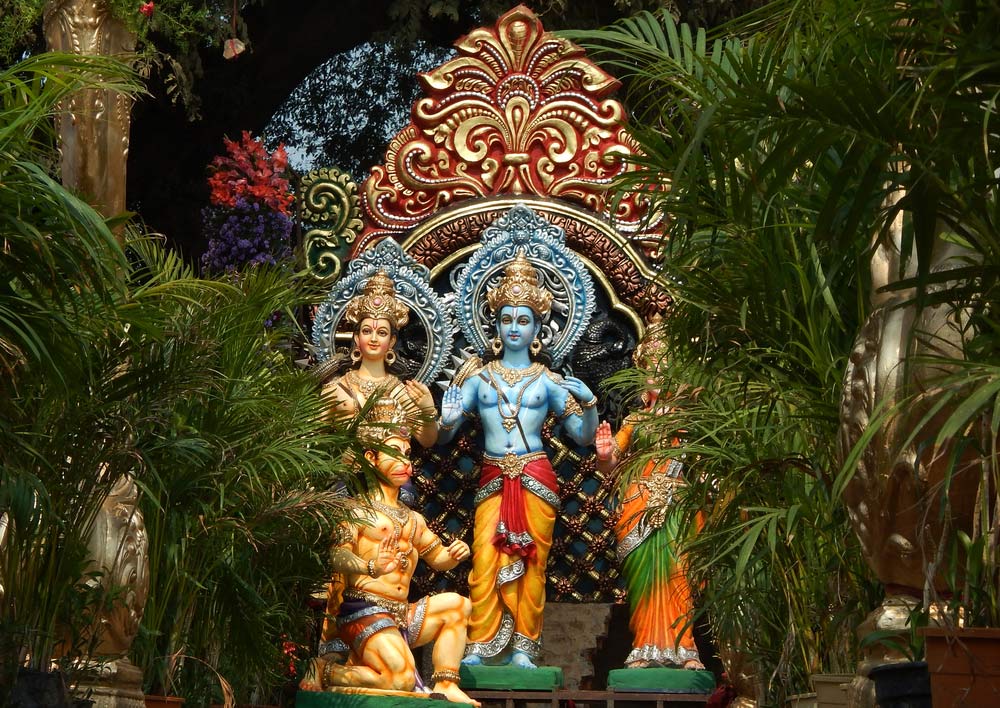 Apr
Ramanavami
The Hindu holiday of Rama Navami commemorates the birth of Lord Rama, who is regarded as Lord Vishnu's seventh incarnation. According to the Hindu calendar, it occurs on the ninth day (Navami), which normally falls in March or April. At temples devoted to Lord Rama, devotees keep fasts and take part in prayers and pujas (rituals). It is customary to recite the Ramayana, an epic that describes the life and deeds of Rama. To commemorate Rama Navami, processions are planned in several areas. In opulent processions, idols or pictures of Lord Rama, his wife Sita, his devoted follower Hanuman, and other characters from the Ramayana are paraded.
Rama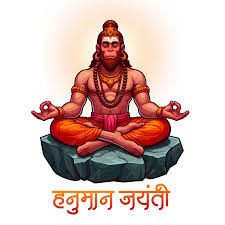 Apr
Hanuman Jayanti
Celebration marking the birth of Lord Hanuman.
Hanuman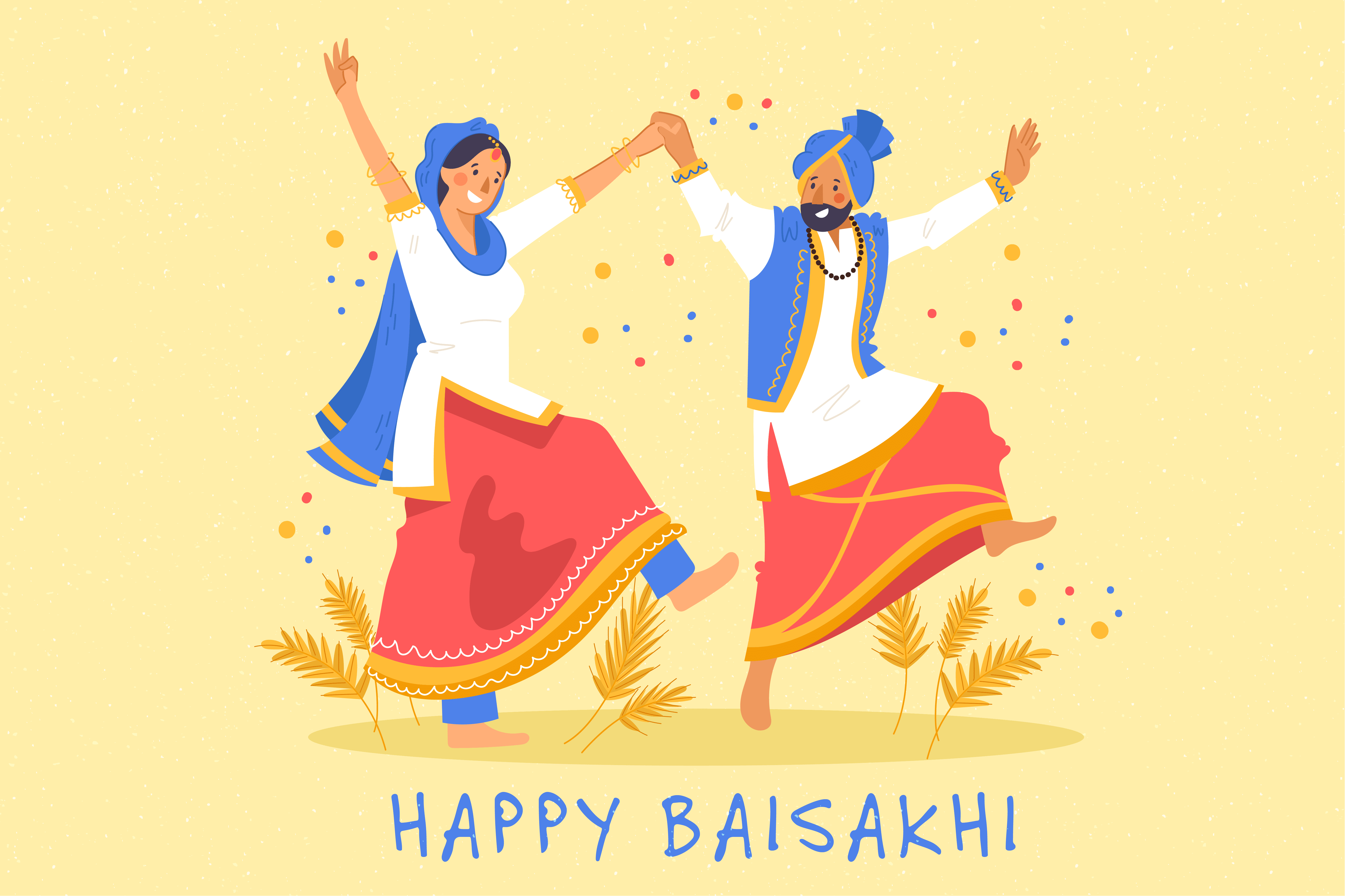 Apr
Vaisakhi or Baisakhi or Vishu
The celebration of Vaisakhi is observed across India but is particularly popular in Punjab. It commemorates the Sikh New Year and the founding of the Khalsa (the Sikh community) by Guru Gobind Singh in 1699. Vaisakhi, which the Hindus identify with the harvest, is considered a lucky time for new beginnings. Vaisakha is a month marked by beginnings, harvest celebrations, and religious rituals. As a reflection of the cultural diversity found within Hinduism and other religious traditions, the festivities observed during this month vary across various locations and communities.
 Apr
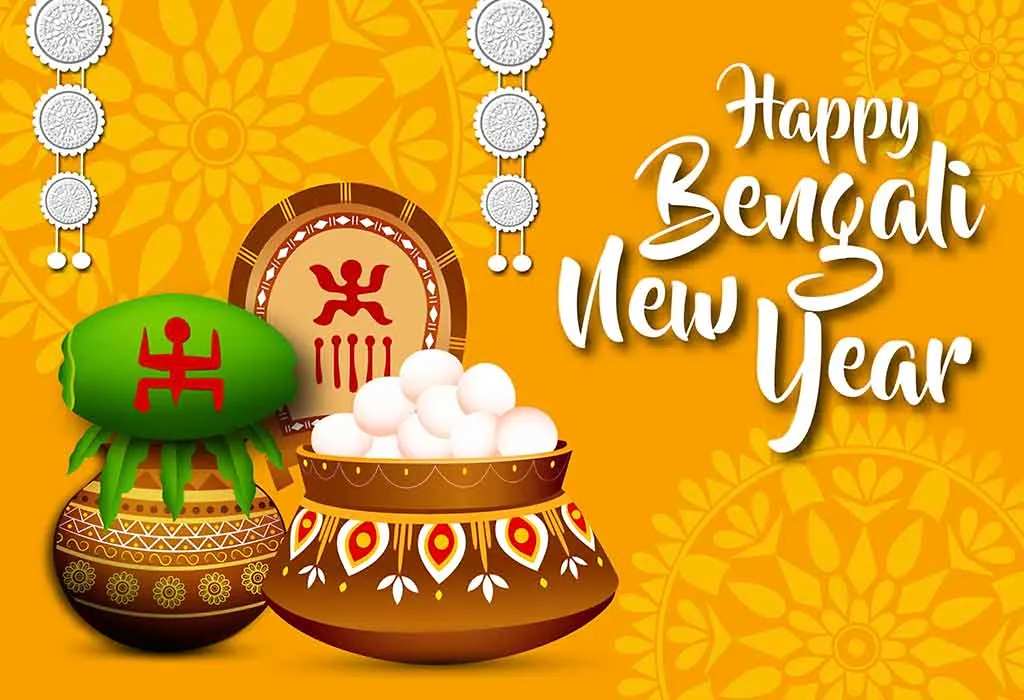
Pohela Boishakh or Bengali New Year or Bihu
The first day of the Bengali calendar is known as Pohela Boishakh or Bengali New Year. It usually occurs in the middle of April and is widely observed in West Bengal, where Bengali is the primary language. The festival combines customary practises, cultural activities, and fun events. People usually participate in Prabhat Pheri processions in the early morning to start the day. A vibrant display of decorations, music, and dance surrounds the streets as people dress in traditional Bengali garb. In front of residences and public areas, artisans engrave elaborate alpana (rangoli) patterns. Families join together to feast on traditional Bengali cuisine as a big part of the celebration. The celebration of the New Year is incomplete without sweets.
 Apr
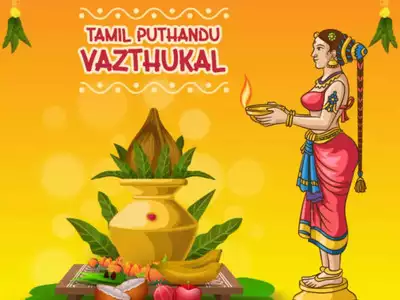
Tamil New Year
The Tamil New Year is celebrated according to the Tamil calendar and is also referred to as Puthandu or Varusha Pirappu. Depending on the lunar calendar, it usually occurs on April 14 or 15. The Tamil calendar's Chithirai month begins on the day of the celebration. On Tamil New Year, a lot of people go to temples to seek blessings for a prosperous and peaceful new year. In temples, special rites and prayers are performed. Cultural activities, such as traditional music and dance performances, mark the Tamil New Year. The festivities also include traditional games and folk arts. During these unique feasts, families join together to share food and joy with one another.
 May
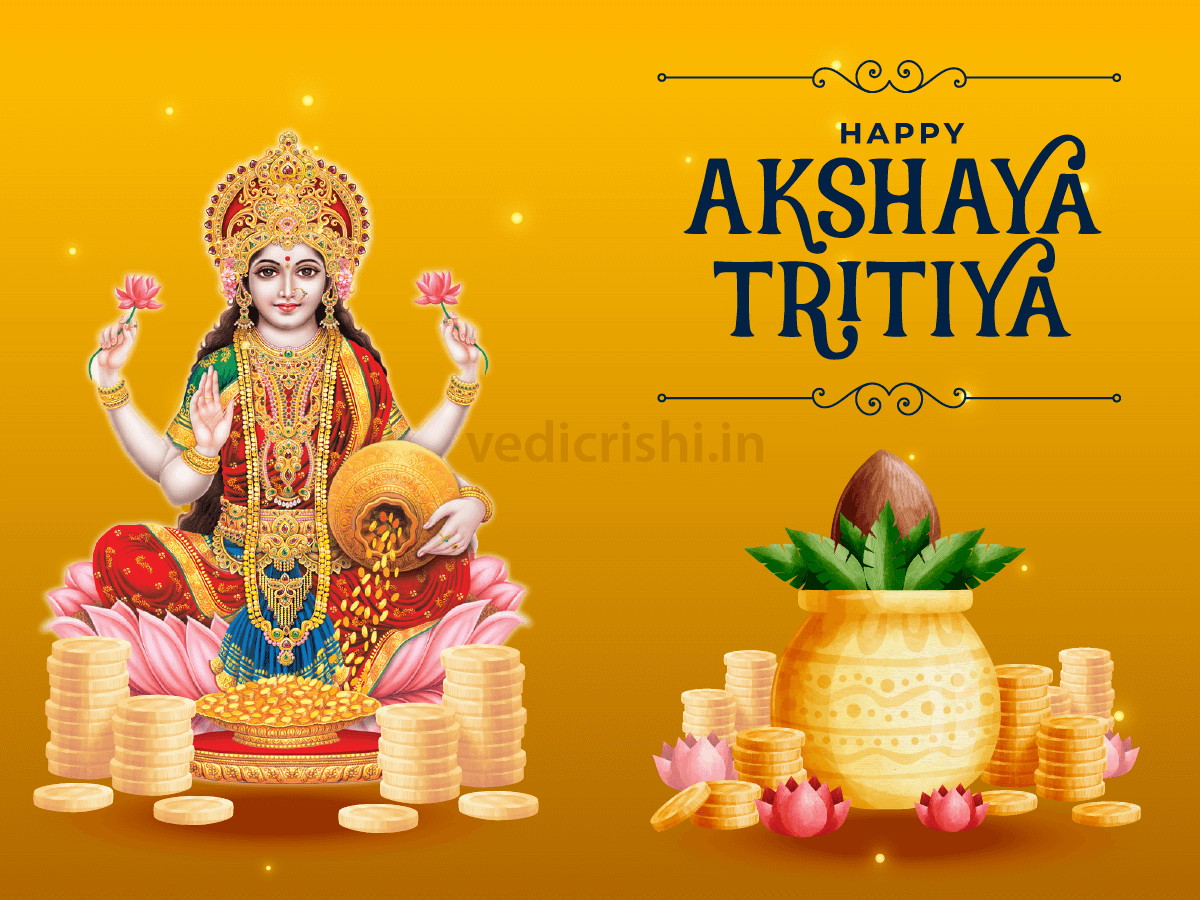
Akshaya Tritiya
An auspicious day for new beginnings and purchases.
VishnuLakshmi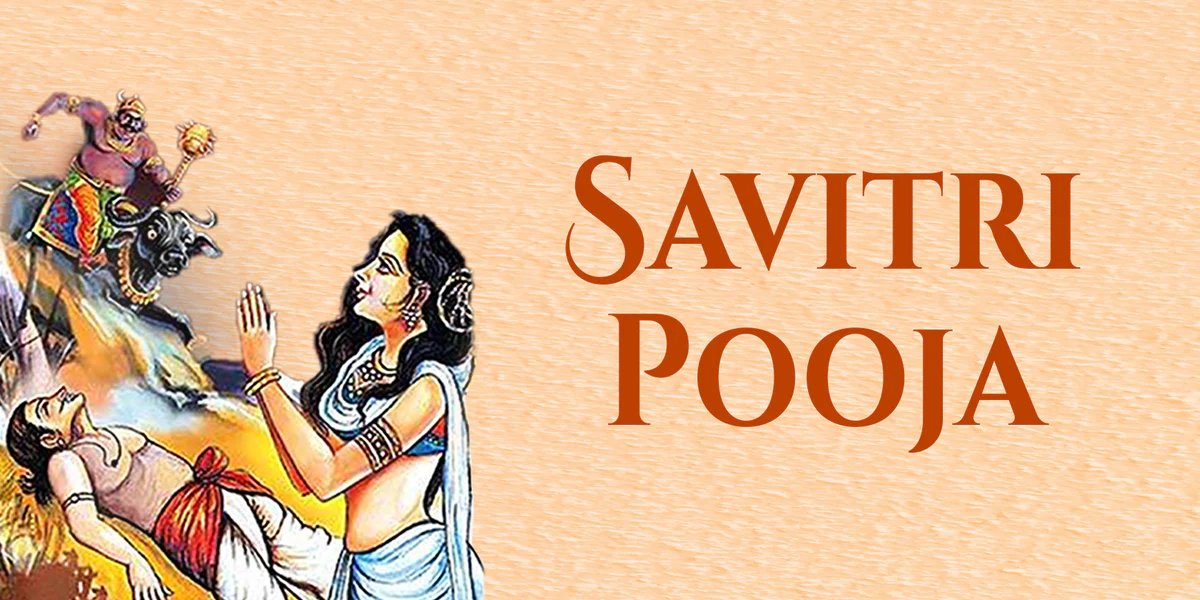 Jun
Savitri Pooja
Celebration honoring the goddess Savitri.
 Jul
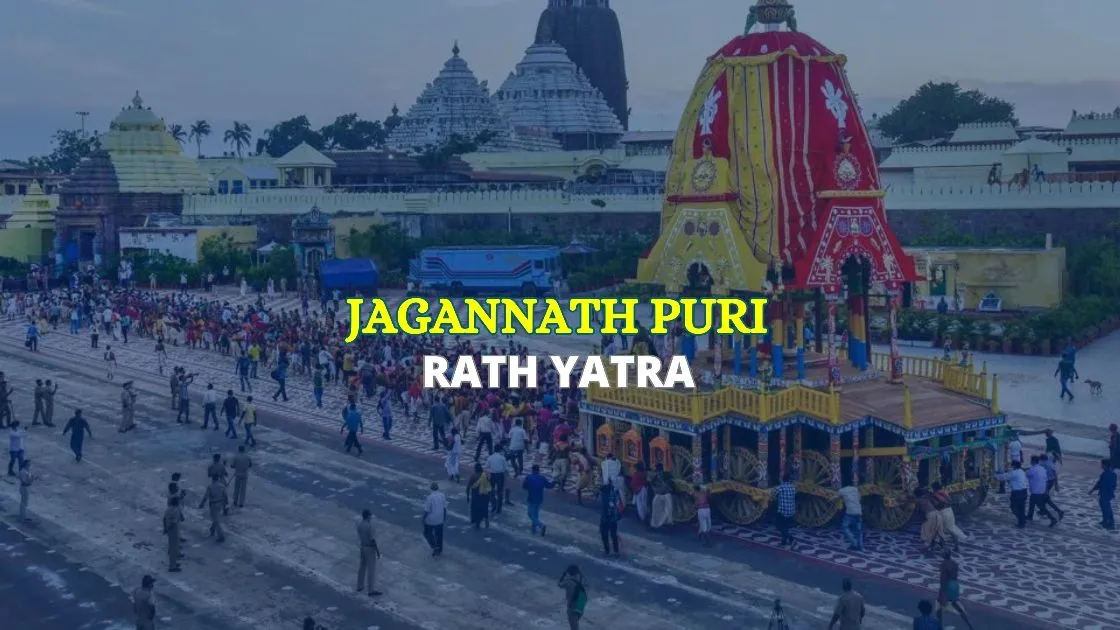
Puri Rath Yatra
Annual chariot festival held in Puri, Odisha.
Krishna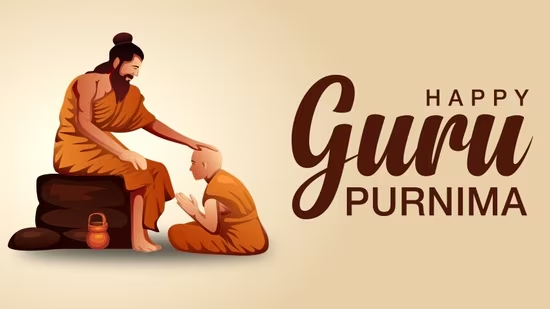 Jul
Guru Purnima
Celebration honoring spiritual and academic teachers.
 Aug
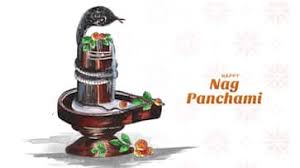
Nag Panchami
Festival dedicated to the worship of snakes.
 Aug
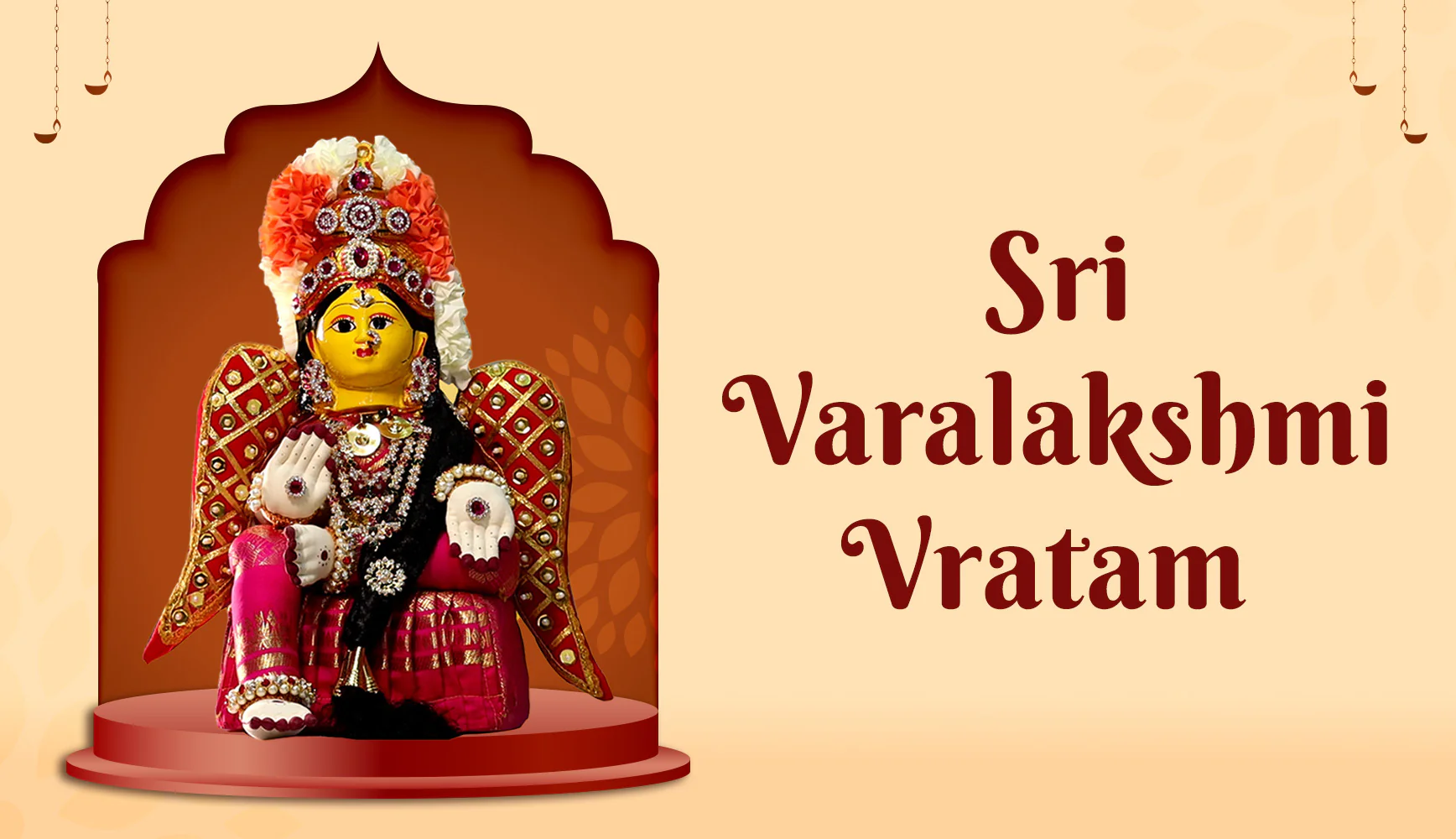
Varalakshmi Vrat
Celebration dedicated to the goddess Varalakshmi.
Lakshmi Aug
Janmashtami
The birth of Lord Krishna, who is regarded as the eighth avatar of Lord Vishnu, is commemorated on Janmashtami, another colourful Hindu festival. It normally occurs on Ashtami, the eighth day of the Krishna Paksha, or dark fortnight, in the month of Shravana, or August or September. To honour the birth of Lord Krishna, devotees observe fasts, recite pious hymns, and take part in several cultural and religious celebrations. One of the highlights of Janmashtami is Dahi Handi, in which groups of young people construct human pyramids to smash a pot of butter or curd. This tradition represents the mischievous side of Lord Krishna, who was reputed to have stolen butter as a youngster. India as a whole celebrates the occasion with great excitement and enthusiasm.
Krishna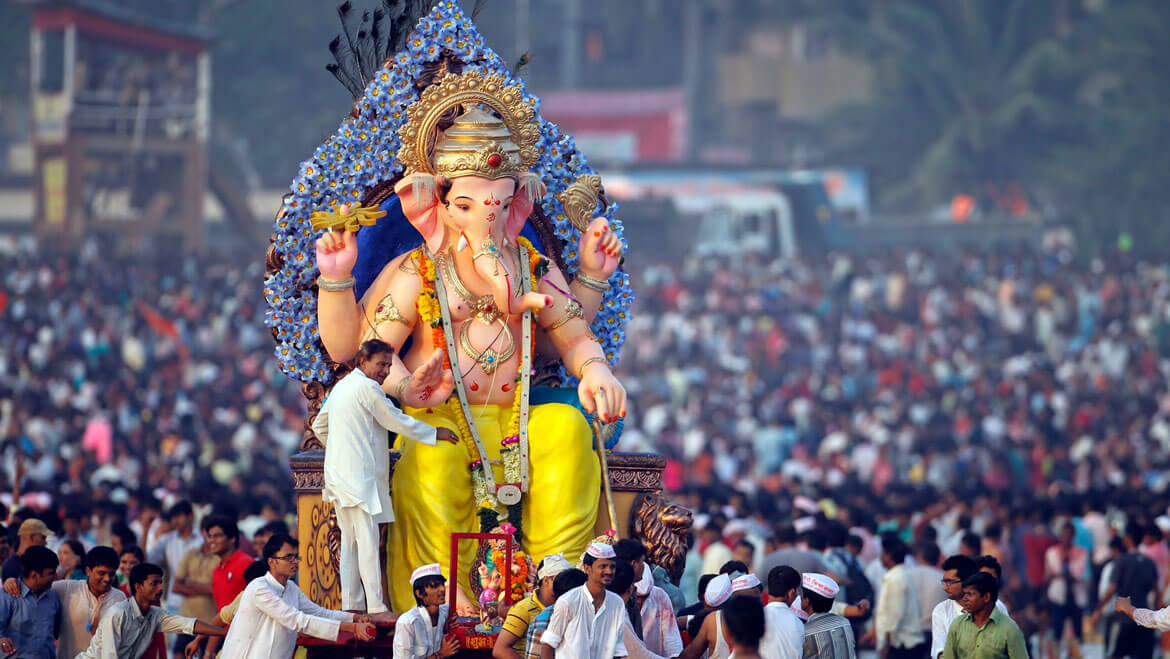 Sep
Vinayaka Chaturthi or Ganesh Chaturthi
Vinayaka Chaturthi honours the birth of Lord Ganesha, the elephant-headed deity who represents wisdom and prosperity. On the fourth day (Chaturthi) of the waxing moon phase during the month of Bhadrapada (typically August or September), this event is celebrated. Ganesha statues are placed in residences and public spaces throughout the festival, which also features prayers, devotional music, and cultural activities. Offering Lord Ganesha various sweets, fruits, and flowers in exchange for his blessings on wisdom, success, and the elimination of obstacles is a common practise among devotees. The celebrations come to a close with Lord Ganesha's return to his dwelling symbolised by the immersion of Ganesha idols in water.
Ganesha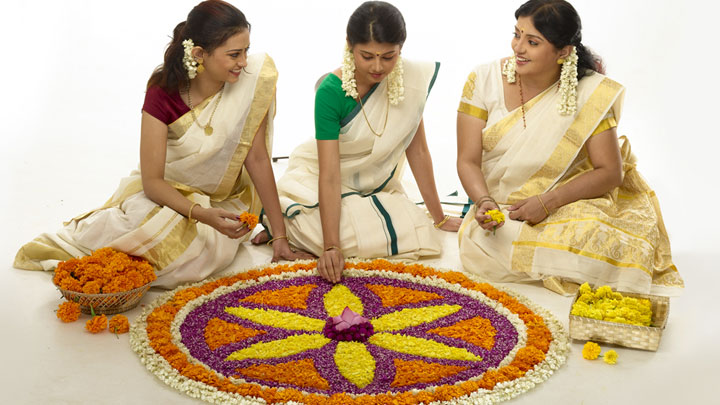 Sep
Onam
Harvest festival celebrated in Kerala.
Vishnu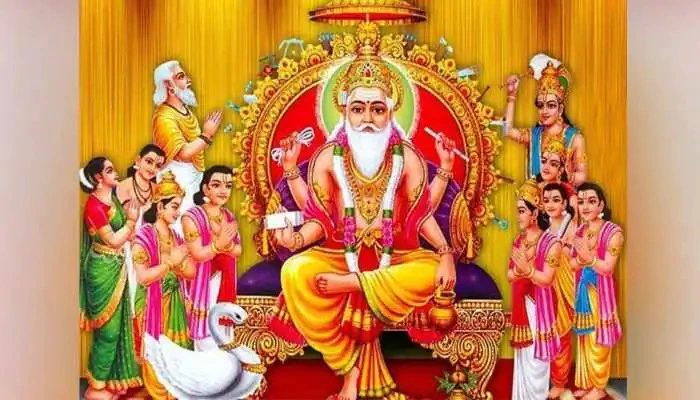 Sep
Vishwakarma Puja
Celebration honoring Lord Vishwakarma, the divine architect.
Vishwakarma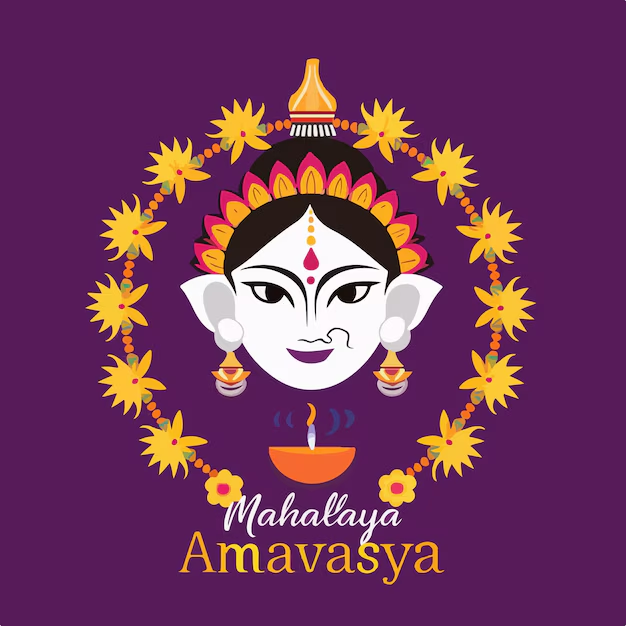 Oct
Mahalaya Amavasya
Mahalaya Amavasya is a significant Hindu holiday, especially when it comes to remembering and respecting one's ancestors. It takes place on Ashwin's Amavasya, the new moon day. Tarpanam or Shraddha ceremonies, which are performed in honour of deceased ancestors, are seen as being particularly important during Mahalaya. People offer water, sesame seeds, and other traditional objects at this time to show their appreciation and honour their ancestors. Mahalaya Amavasya marks the start of the Pitru Paksha, a 16-day lunar cycle, while Sarva Pitru Amavasya marks its end. Mahalaya Amavasya is a day that is observed to honour the importance of one's ancestors and to acknowledge and maintain the connection between the living and the dead.
Durga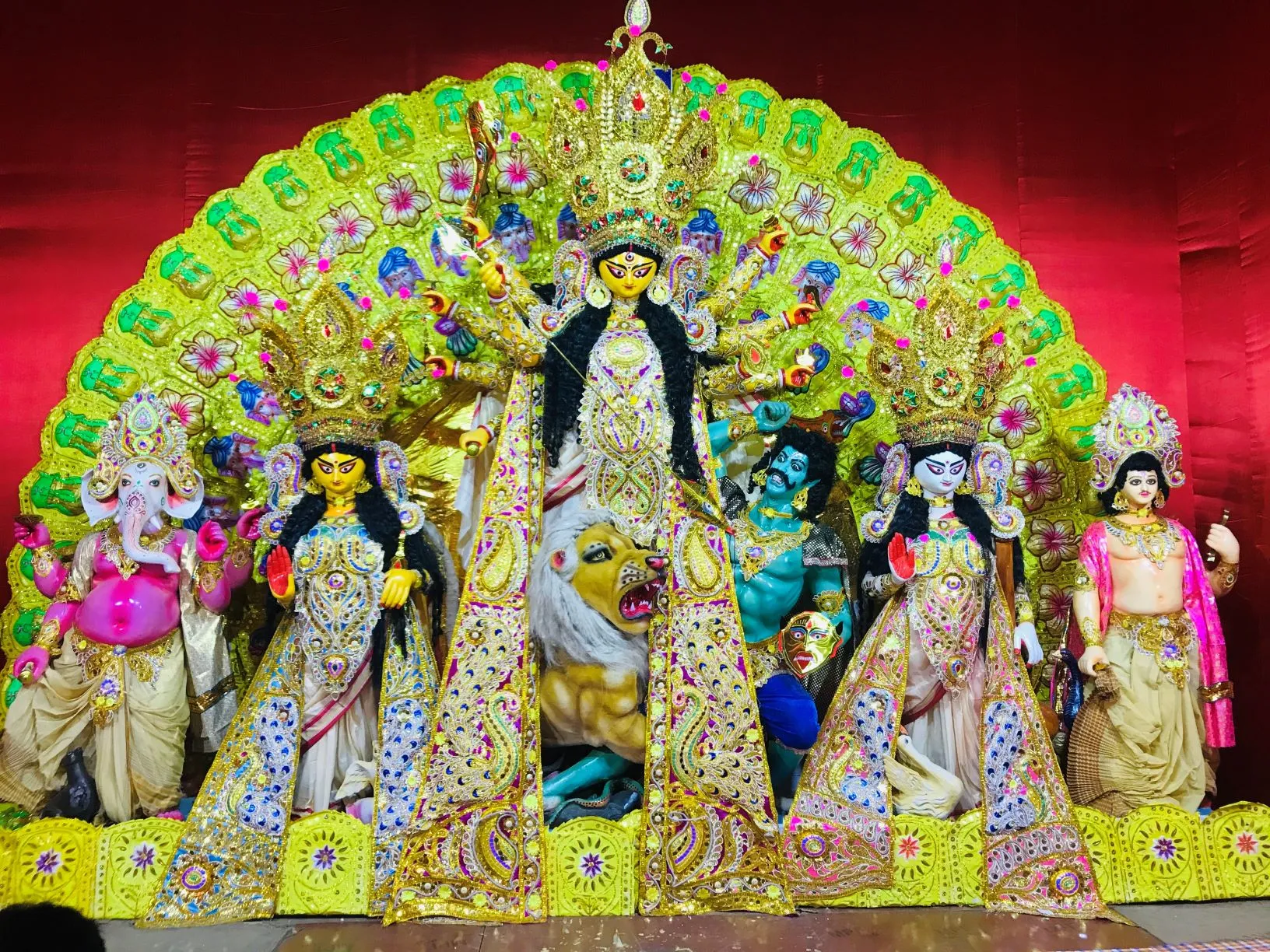 Oct
Navaratri Durga Puja
Celebration honoring the goddess Durga.
Durga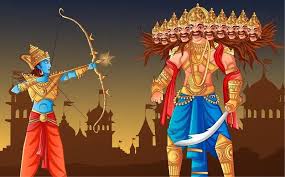 Oct
Dussehra
The ninth day of the nine-day Navratri celebration, which honours the goddess Durga, is known as Maha Navami. The ninth day of the bright half (Shukla Paksha) of the Hindu month of Ashwin, which corresponds to September or October on the Gregorian calendar, is often when it occurs. Devotees celebrate the various manifestations of the goddess Durga during Navratri, which lasts for nine nights and ten days. On the auspicious day known as Maha Navami, extensive rites and festivities are held to honour the goddess. Maha Navami is frequently connected to the conclusion of the Durga Puja holiday, a significant event in West Bengal and other parts of India
RamaDurga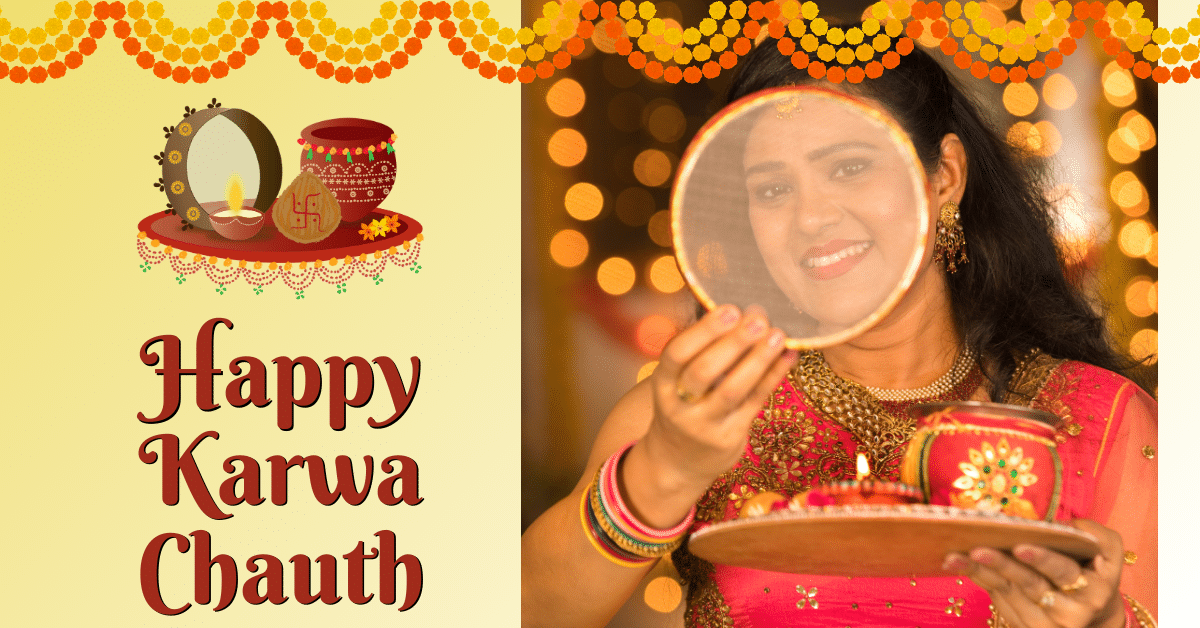 Oct
Karva Chauth
ShivaParvati Nov
Diwali
Deepavali, usually referred to as Diwali, is one of the most frequently observed festivals among Hindus in India and around the world. The Gregorian calendar typically places it between October and November. It commemorates the triumph of good over evil and light over darkness. The major day of Diwali is on the third day of the celebration, which lasts for five days. To represent the victory of light over darkness, people decorate and clean their homes, light oil lamps (diyas), and light fireworks. Families get together, share holiday dinners, and exchange gifts. Diwali is notable for many reasons, one of which is the worship of various deities according to local customs. It honours the homecoming of Lord Rama, his wife Sita, and his devoted friend Hanuman to Ayodhya following their victory over the demonic king Ravana in North India.
LakshmiGanesha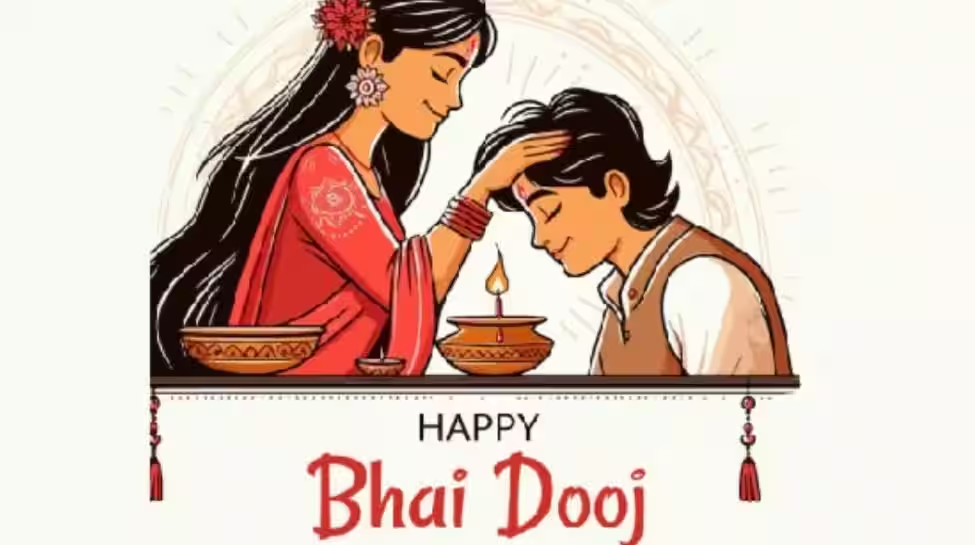 Nov
Bhai Dooj
The fifth and final day of Diwali is when Hindus celebrate Bhai Dooj, also known as Bhai Phota in some areas. The second day of the brilliant fortnight (Shukla Paksha) of the Hindu month of Kartika, which corresponds to October or November, is the customary date for its occurrence. The occasion of Bhai Dooj honours the relationship between brothers and sisters. Sisters conduct a unique ceremony on this day where they put a tilak (a vermilion mark) on their brother's forehead, engage in an aarti (a ritual involving the waving of light), and offer prayers for their welfare. In exchange, brothers offer their sisters presents and promise to look out for and help them. The celebration is characterised by affection, devotion, and a tightening of sibling ties.
 Nov
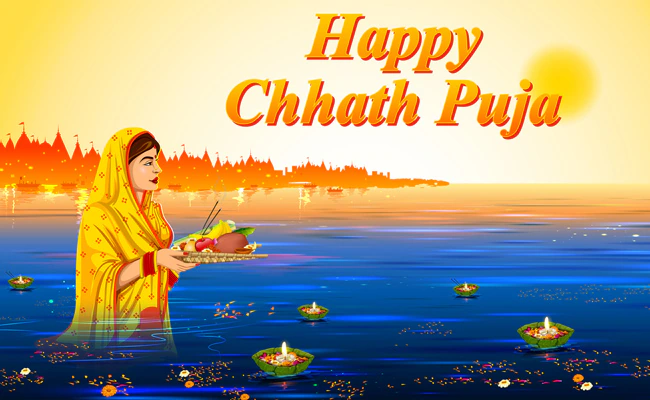
Chhath Puja
Hindus celebrate Chhath Puja as a time to honour Surya, the Sun God, who they believe to be the source of all life on Earth. Most of India's states of Bihar, Jharkhand, and Uttar Pradesh participate in this festival. Six days after Diwali is Chhath Puja, which usually takes place in October or November. Four days are dedicated to the event, which is marked by strict rites and fasts. Devotees pray to the setting sun on the main Chhath Puja day and again to the rising sun the next morning. The ceremonies entail fasting, standing in water for extended periods of time while making arghya (offerings to the sun), and taking a holy plunge in a sacred river. The deep spiritual connection that Chhath Puja establishes with nature is well known for its simplicity.
Surya Nov
Dhanteras
Festival marking the beginning of Diwali celebrations.
Lakshmi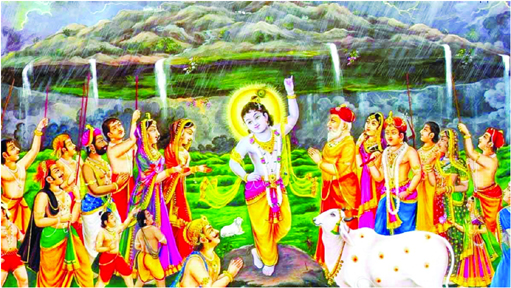 Nov
Govardhan Puja
Celebration honoring Lord Krishna's lifting of Govardhan Hill.
Krishna Nov
Bhaiya Dooj
Celebration honoring the bond between brothers and sisters.
 Nov
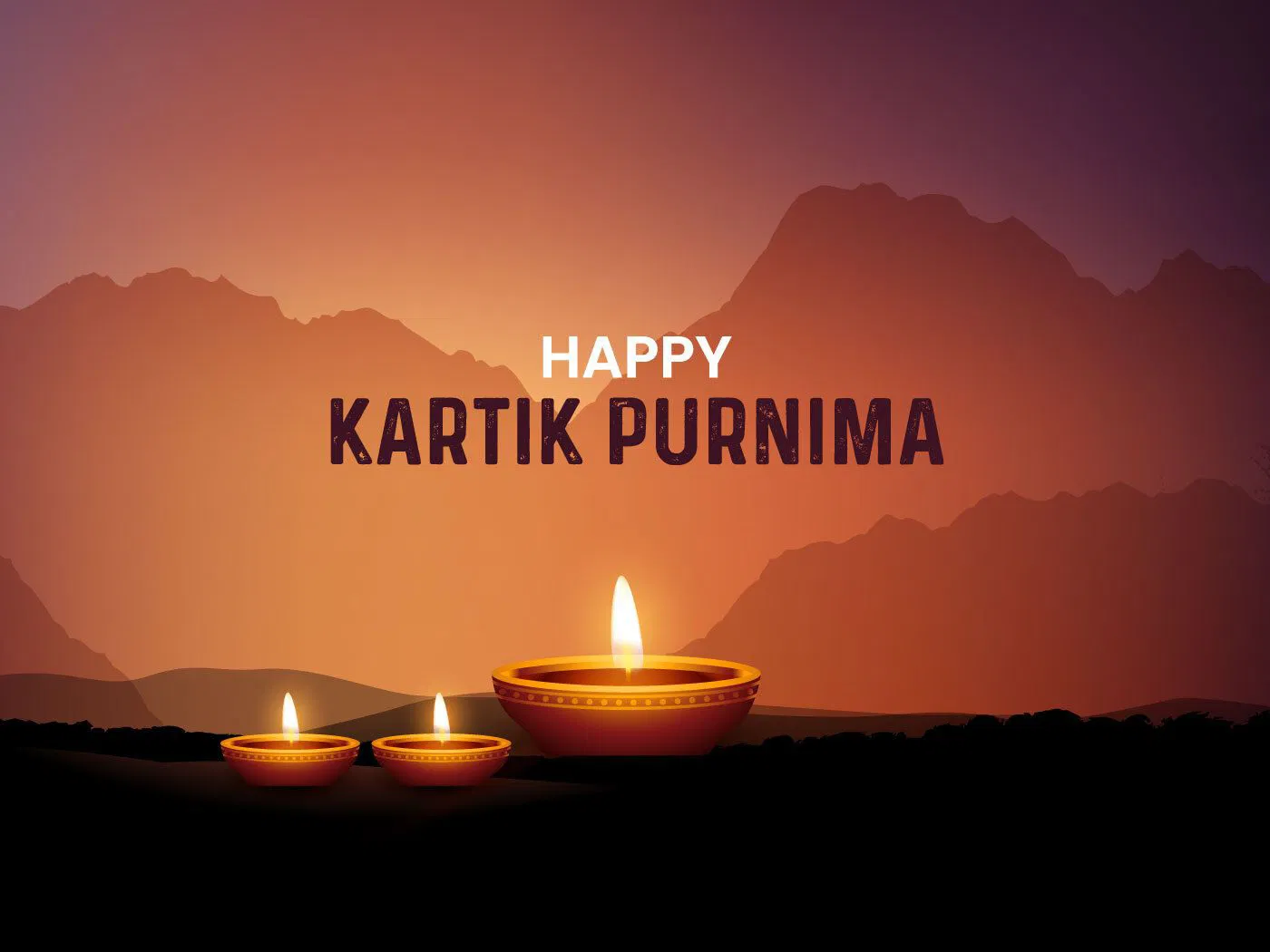
Kartik Poornima
A Hindu festival known as Kartik Purnima is observed on the day of the full moon, or Purnima, in the month of Kartika, which, according to the Gregorian calendar, falls between October and November. It has several names in various locations and has significance in many different traditions. The lighting of lamps, or diyas, is a prominent Kartik Purnima event. It's a metaphor for chasing away the shadows and letting light into one's life. This day is sometimes linked to the worship of Lord Shiva, his son Kartikeya, and Goddess Parvati.
ShivaVishnu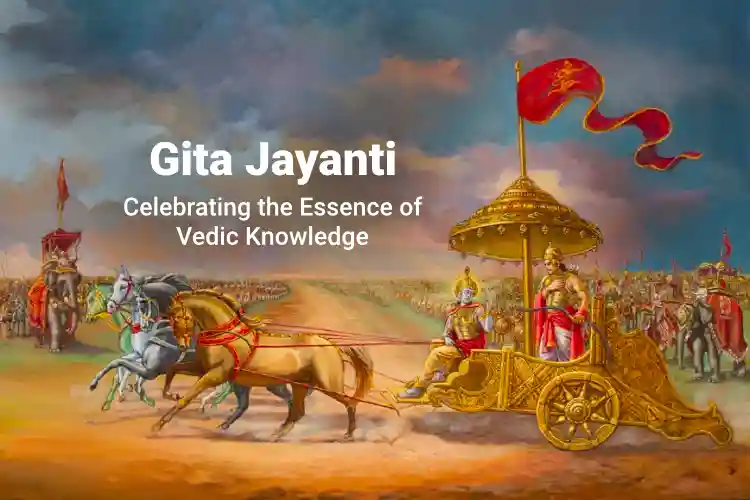 Dec
Geeta Jayanti
Celebration marking the day Lord Krishna delivered the Bhagavad Gita.
Krishna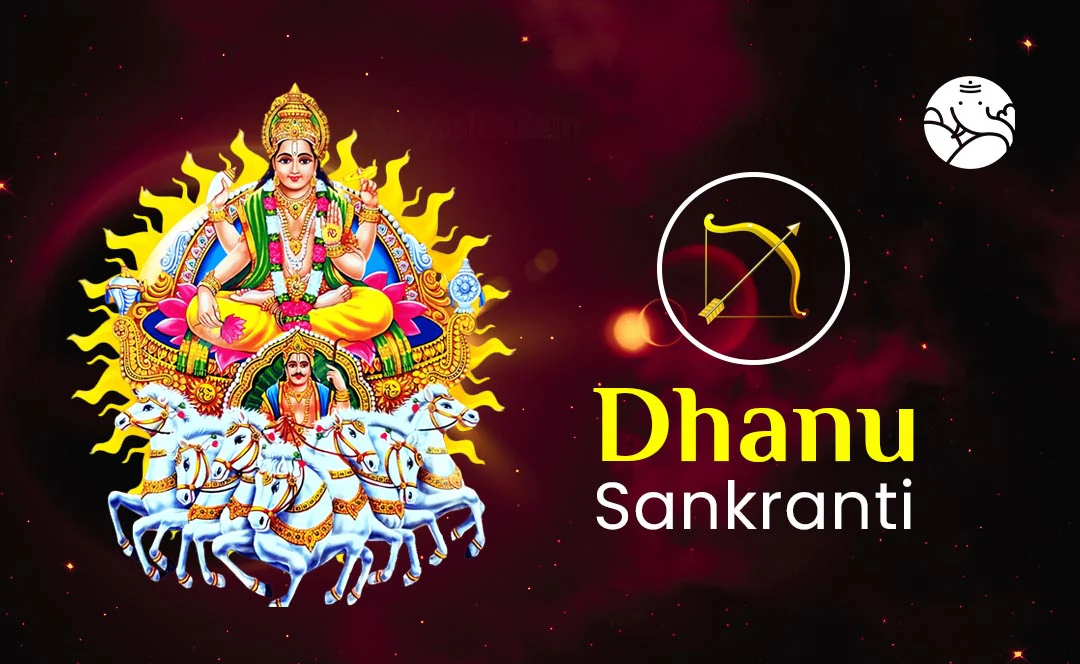 Dec
Dhanu Sankranti
Festival marking the transition of the sun into the zodiac sign of Sagittarius.
Surya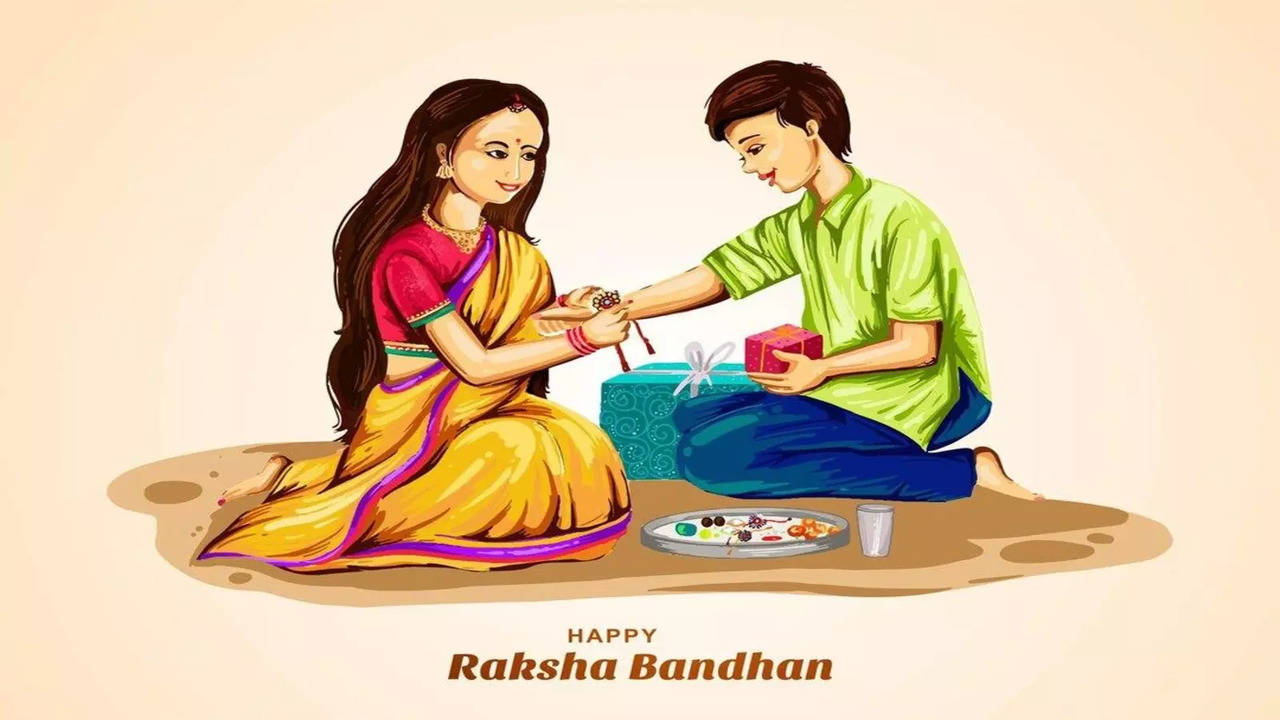 Aug
Raksha Bandhan
raksha bandhan is a Hindu festival that celebrates the bond between brothers and sisters. It usually falls in August, on the full moon day of the month of Shravana. On this day, sisters tie a protective thread (rakhi) around their brothers' wrists, symbolizing their love and prayers for their well-being. In return, brothers give gifts and promise to protect their sisters. The festival is marked by family gatherings, feasting, and the exchange of sweets.
